Living Bridges and Walking Libraries
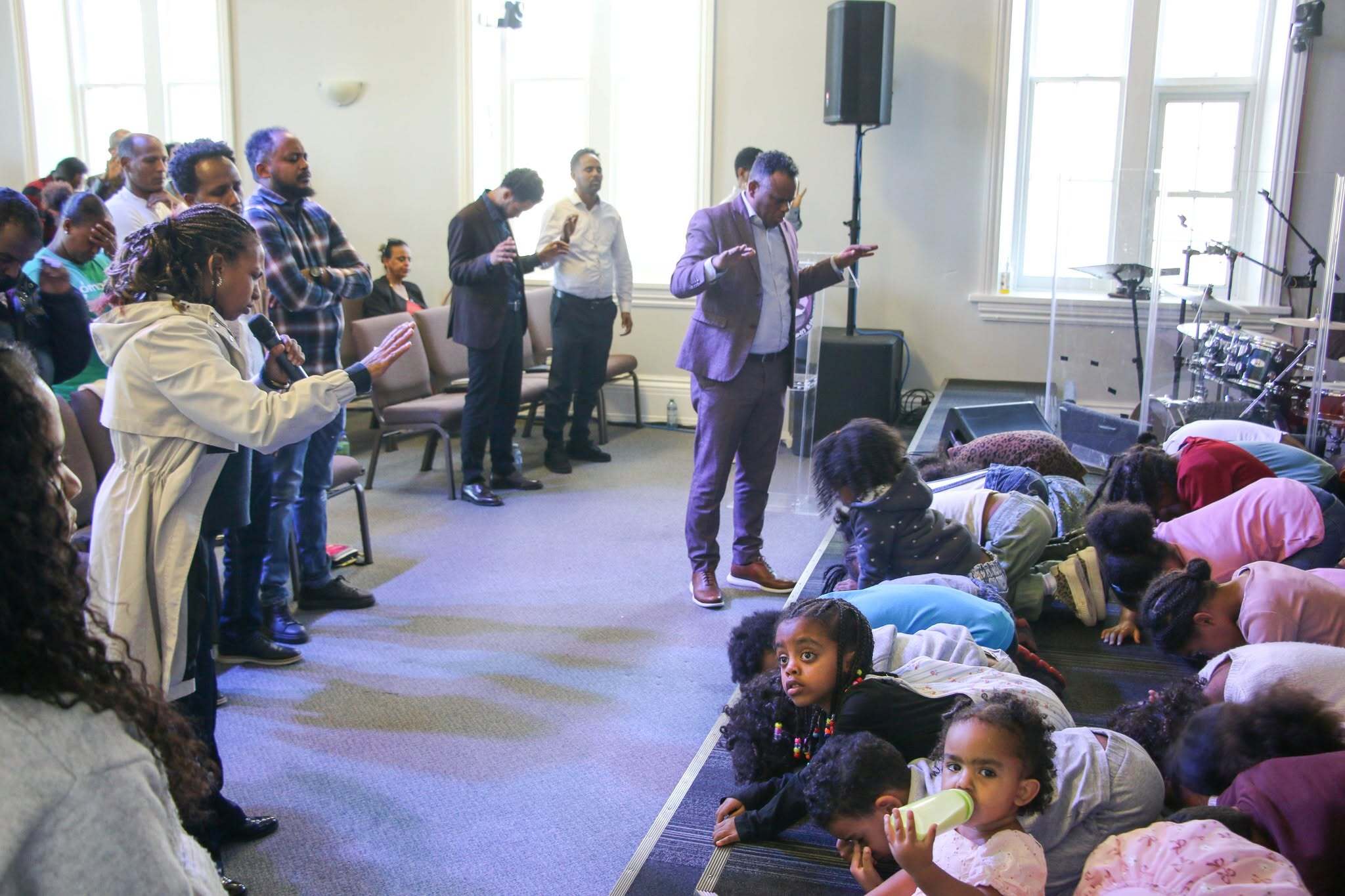
Pastor Hizbay Nigusse and congregation of Shalom Church Guelph pray for the children during service
Receiving the Gifts and Leadership of Second-Generation Canadians
 When I think of second-generation Canadians, two images come to mind: living bridges and walking libraries. They are living bridges because they connect the cultural worlds of their families with the wider Canadian society. They are walking libraries because they carry stories, experiences, and wisdom that can enrich the life of the church. Both images invite Mennonite Church Eastern Canada (MCEC) congregations to recognize, welcome, and nurture the gifts of a generation essential to the future of our Anabaptist witness.
Second-generation Canadians grow up navigating different languages, traditions, expectations, and ways of understanding the world. At home and in their family congregations, they encounter the faith, cultural heritage, and wisdom of previous generations. At school, work, and among friends, they engage the diverse realities of Canadian society. Moving between these worlds can be challenging, but it can also cultivate empathy, adaptability, and the ability to build relationships across cultural boundaries.
Second-generation Canadians can help us distinguish the enduring message of the gospel from the cultural forms through which it has been expressed.
These gifts resonate deeply with our Anabaptist calling to follow Jesus in the ways of peace, reconciliation, and community. Yet we must recognize that living between cultures is not always easy. Some young people feel at home in their family congregations but wonder whether their questions, gifts, or worship preferences will be welcomed. Others feel comfortable in wider Canadian society but long for a deeper connection to their family’s language, faith, and traditions. Many seek a way to honour their heritage while faithfully expressing their identity in the society they call home.
Rather than viewing these experiences as a problem to solve, the church can receive them as gifts. Second-generation Canadians can help us distinguish the enduring message of the gospel from the cultural forms through which it has been expressed. Their experiences invite us to consider how we can remain rooted in our Anabaptist convictions while sharing the good news of Jesus in changing communities and across generations.
Living Bridges in Our Congregations
During visits to several first-generation MCEC congregations worshipping in their community languages, I have often seen children and youth invited to the front at the beginning of the service. They share songs, recite Scripture, offer prayers, and tell stories before the congregation blesses them and sends them to Sunday school.
On one occasion, two children, each about ten years old, stood before an Eritrean congregation. One recited Psalm 91 and the other Psalm 23, both in English. I was moved by this simple but meaningful moment. These children were participating in the spiritual life of their family’s congregation while expressing their faith in the language of the wider society. Their presence offered a glimpse of how generations and cultures can meet within the body of Christ.
We do not need to erase our differences to become one body in Christ.
Such moments remind us that belonging should not require people to leave part of themselves at the church door. A child should be able to pray in English and hear a grandparent pray in another language. A young adult should be able to honour family traditions while asking honest questions. Different musical expressions, worship practices, and perspectives should be opportunities for mutual learning rather than sources of division.
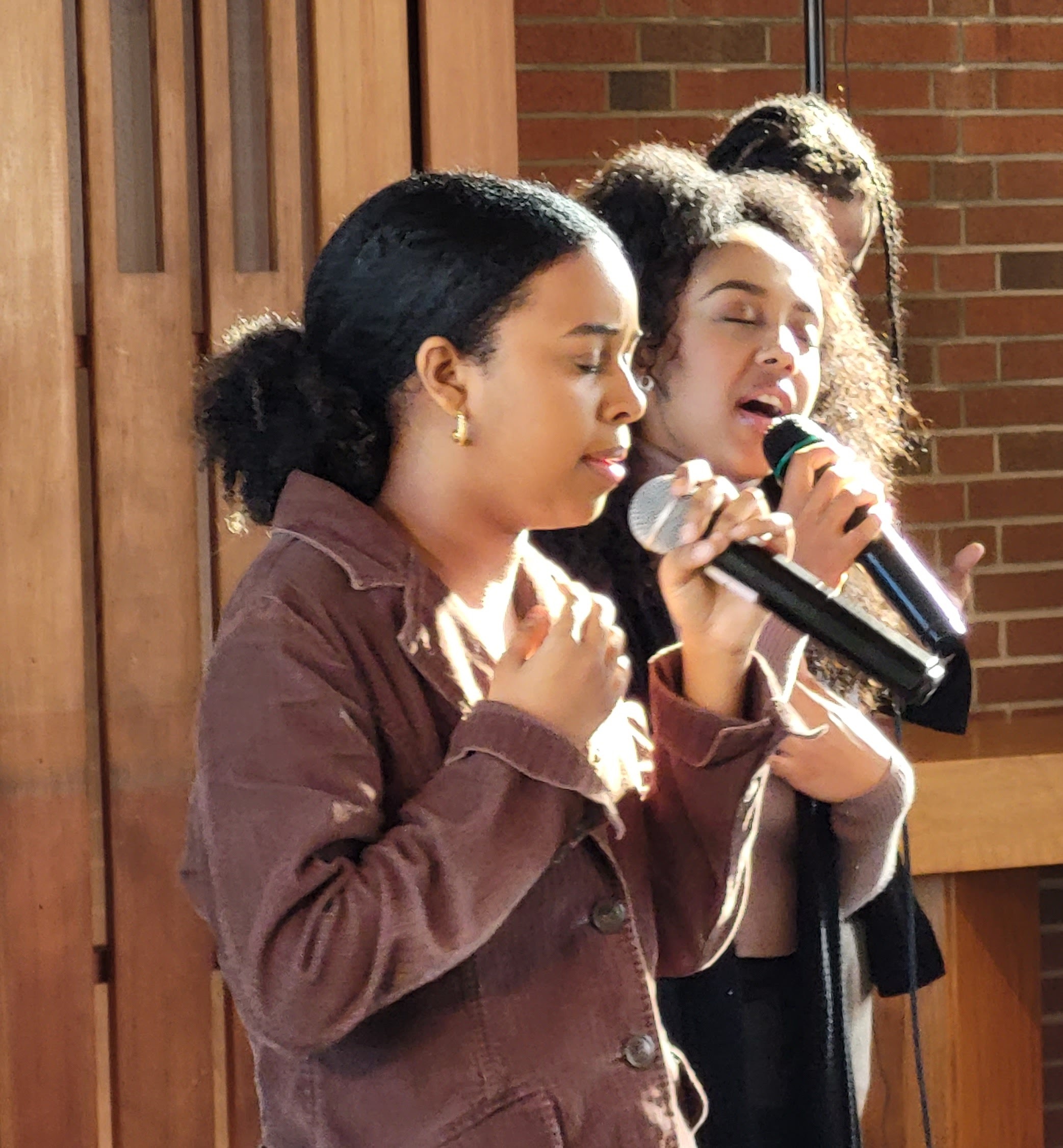 The church becomes stronger when people can bring their whole selves into the life of the community. We do not need to erase our differences to become one body in Christ. Instead, we learn to remain in relationship across those differences, trusting that God uses the gifts of every generation to strengthen the church.
Walking Libraries of Faith and Experience
Second-generation Canadians are also walking libraries. Their lives hold stories of migration, sacrifice, belonging, misunderstanding, resilience, and hope. They carry the faith and wisdom of their families while interpreting these gifts through their own experiences of Canadian life. Their stories can deepen our understanding of what it means to follow Jesus in an intercultural society.
We need one another’s voices to hear the Spirit and faithfully respond to God’s call.
In the Anabaptist tradition, we understand faith as something lived and discerned together. We need one another’s voices to hear the Spirit and faithfully respond to God’s call. Receiving the stories of second-generation Canadians is therefore more than an act of inclusion; it is an expression of our shared commitment to community, mutual care, and discernment.
A congregation that listens carefully discovers not only what younger generations need but also what they have to offer.
Listening also requires humility. We must be willing to hear about experiences of exclusion, cultural misunderstanding, or pressure to choose one identity over another. Such conversations do not threaten the unity of the church. When approached with love and honesty, they create opportunities for healing, reconciliation, and deeper trust.
A congregation that listens carefully discovers not only what younger generations need but also what they have to offer. Their insights can help us understand our neighbours, communicate across cultures, engage younger people, and imagine new ways of living out the gospel.
Belonging Before Leadership
If we hope to receive the leadership of second-generation Canadians, we must first cultivate genuine belonging. Leadership does not flourish when people are noticed only because a committee needs another member or someone is needed to translate. It grows through relationships of trust, shared meals, meaningful conversations, patient mentoring, and opportunities to serve.
The goal is not to replace one generation with another. It is to walk together as one body, learning from one another and discerning God’s direction together.
Congregations must also make room for young people to participate in meaningful decisions. This means inviting their perspectives, entrusting them with responsibility, and allowing them to help shape the church’s future. Mentoring should draw on the wisdom of older generations without controlling the next generation’s choices. Likewise, new ideas should be welcomed without dismissing the sacrifices and faithfulness of those who came before.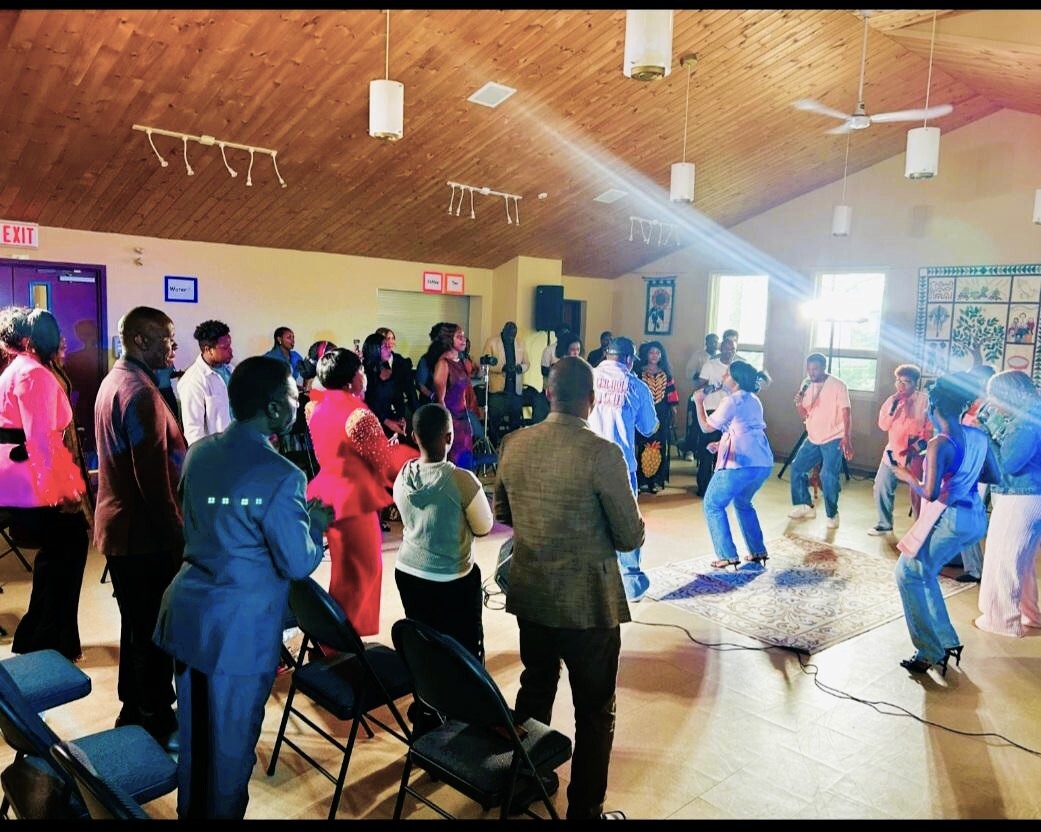
The goal is not to replace one generation with another. It is to walk together as one body, learning from one another and discerning God’s direction together.
Second-generation Canadians already contribute to their churches and communities through education, health care, technology, the trades, transportation, family life, and many other vocations. Within congregations, they can teach children and youth, lead worship, welcome newcomers, develop digital ministries, facilitate intercultural conversations, and connect churches with schools, workplaces, and neighbourhood organizations. Some will serve in formal ministry; others will bear witness through everyday acts of service, compassion, and peacemaking.
These are not merely gifts for tomorrow. They are strengthening the church today.
Building a Faithful Future Together
I often hear long-established congregations express concern about the future of Anabaptist churches in Canada. I understand this concern, especially when congregations face changing demographics, generational differences, and questions about how faith will be passed on.
The church of tomorrow may look different from the church of yesterday, but our calling remains: to follow Jesus, practise peace, serve our neighbours, and embody the good news of God's reconciling love.
Yet I believe there is reason for hope. Second-generation Canadians can receive the baton of Anabaptist faith and carry it forward in ways that speak meaningfully to their own generation and context. The church of tomorrow may look different from the church of yesterday, but our calling remains: to follow Jesus, practise peace, serve our neighbours, and embody the good news of God's reconciling love.
Jeremiah 29:4–8 calls God's people to seek the peace and well-being of the places where they live. Second-generation Canadians are uniquely positioned to contribute to this calling. They understand the hopes and struggles of their families while engaging the realities of Canadian society. Their experiences can help congregations build relationships across cultural boundaries and become more attentive to the needs of their neighbours.
Our confidence rests not in the abilities of any one generation but in the faithfulness of God. Jesus promises, “I am with you always, to the very end of the age” (Matthew 28:20). Trusting this promise, we can face change with courage, hope, and faithful imagination.
An Invitation to MCEC Congregations
The question before us is not whether our churches will change, but how faithfully we will respond. Will we approach change with fear, or will we welcome the opportunities God places before us?
When generations listen with humility, share responsibility, and pray for one another, the whole church grows stronger.
Let us intentionally build relationships with second-generation Canadians. Let us listen to their stories, value their questions, recognize their gifts, and create meaningful opportunities for leadership. Let first-generation congregations encourage their children to follow Jesus faithfully in the Canadian context, and let long-established congregations learn from the intercultural wisdom of those whose experiences bridge different worlds.
Above all, let us worship, serve, discern, and make decisions together. When generations listen with humility, share responsibility, and pray for one another, the whole church grows stronger.
Second-generation Canadians are not simply the future of our congregations; they are vital partners in God's mission today. As living bridges and walking libraries, they connect generations, preserve and reinterpret treasured wisdom, and open pathways toward deeper understanding. May we receive their gifts with gratitude, nurture their leadership with generosity, and walk together in the way of Jesus, building communities of faith where every generation belongs and every generation has something to contribute.
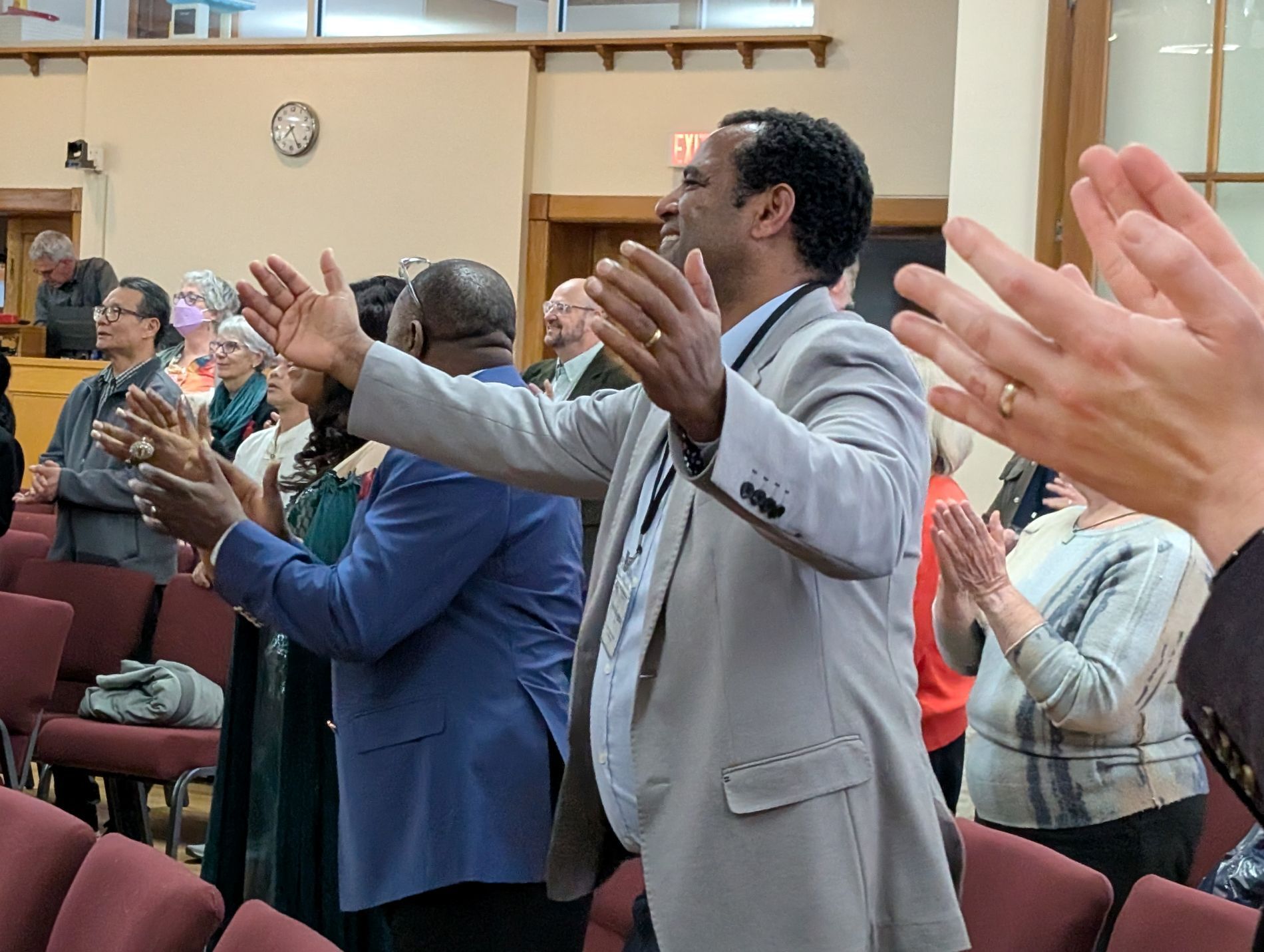
Intercultural Worship Gathering 2026
Let us intentionally build relationships with second-generation Canadians. Let us listen to their stories, value their questions, recognize their gifts, and create meaningful opportunities for leadership. Let first-generation congregations encourage their children to follow Jesus faithfully in the Canadian context, and let long-established congregations learn from the intercultural wisdom of those whose experiences bridge different worlds.