Prayer and Fasting: Postures of the Heart
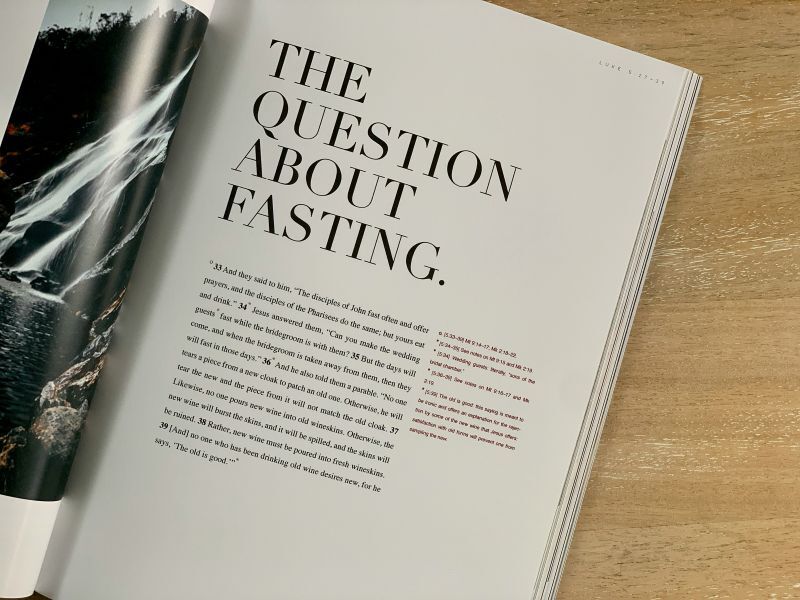
The Bible associates fasting with some postures of the heart especially closely.
Introducing Fasting
 To be honest, I have never kept a fast day before.
Sure, I've gone without food while traveling or working through a lunch break, but the discipline of intentionally giving up my daily bread is relatively new to me. Growing up, the closest thing I had to fasting was the self-denial Mennonites had begun doing individually during Lent: No chocolate, no alcohol, less screen time, and so on. When I was a teenager, I assumed full-on fasting was something Anabaptists just didn't do.
Fasting is alive and well in congregations around the world
However, as I met Mennonites who've grown up outside Canada, including fellow believers within MCEC, I learned fasting is alive and well in congregations around the world. For some, it's as important as sacred singing or even prayer itself. After all, fasts are everywhere in the Bible, both the Old Testament and the New. There are individual fasts, like Jesus's time in the desert (Matthew 4:2) and communal fasts, like Nineveh's period of repentance (Jonah 3:7). In the Sermon on the Mount, Jesus treats fasting as a regular part of his disciples' devotional life alongside almsgiving and prayer (Matthew 6:16-18).
We're simply inviting everyone to set the day aside... to direct ourselves toward God as our spiritual forbears have done.
Though I've never fasted, and MCEC has never held a day of prayer and fasting before, on November 21 we're stepping into this longstanding Christian tradition together. There's no special occasion. There's no prescribed way to participate. We're simply inviting everyone to set the day aside, along with our regular activities and patterns of eating, to direct ourselves toward God as our spiritual forbears have done.
Like prayer, fasting is an intentional act of reaching out to God
Some of us already worship this way on our own or in our congregations and already understand how to navigate a fast. Others of us, like me, are new to this practice. Either way, over the next couple weeks I want to pass along some guiding ideas to prepare us for our fast together, starting with our attitudes or postures of the heart.
Heart Postures for Fasting
Like prayer, fasting is an intentional act of reaching out to God, and we might reach out to God for all kinds of reasons. There's no one way to think or feel in our fasting. At the same time, the Bible associates fasting with some postures of the heart especially closely. Even if you're not planning to literally abstain from food, consider dedicating part or all of the day of prayer and fasting to one or more of these postures:

In Scripture, it's common to fast as an expression of lament before God. Disrupting our everyday patterns of eating represents a disruption in our world, a sign that things are not as they should be. Israel fasted at the death of Saul and his sons (1 Samuel 31:13). David fasted when his son was sick (2 Samuel 12:16). We might fast (in a limited and intentional way) to lament our own personal losses. Our fast might also lament the violence and hunger that affects others around the globe.
Disrupting our everyday patterns of eating represents a disruption in our world, a sign that things are not as they should be.
Related to lament is the heart posture of repentance. Fasting can represent the process of self-emptying and fulfillment we experience when we confess we have done wrong and seek God's way. Fasting is Nineveh's first response when they hear their wickedness has made God angry (Jonah 3:7). The apostle Paul fasts from the time Jesus stops him on the road to Damascus until he is baptized three days later (Acts 9:9). As we fast, we might consider what sins we want God to take away and what spiritual fruits we want to fill us.
The hunger we feel in fasting materializes our hunger for Jesus's arrival and the fulfillment of God's Reign, a hunger for his glory, justice, and peace.
In Mark 2:19-20 and parallel passages, Jesus links fasting to the heart posture of waiting. Like wedding attendants with the bridegroom, the disciples feasted when Jesus was at the table with them. Now that he is away, we fast while we wait for his return. The hunger we feel in fasting materializes our hunger for Jesus's arrival and the fulfillment of God's Reign, a hunger for his glory, justice, and peace.
They came to know firsthand that they did not live by bread alone.
Biblical fasting is often an act of preparation as well. When circumstances are uncertain, fasting nudges us into a posture of dependence on God and receptivity to God's direction. Moses, Elijah, and Jesus all fasted for forty days prior to key points in their missions. They came to know firsthand that they did not live by bread alone. In Acts, the Holy Spirit called Paul and Barnabas to their mission mid-fast, and the church prepared to send them with even more fasting (13:2-3). This fast day may be an opportunity for us to notice our dependence on God and entrust our work into God's hands.
Over the next few weeks, think about what attitudes and intentions you might be bringing into our shared day of prayer and fasting. The above is not an exhaustive list. If you're taking the day to dedicate yourself to God, what are you carrying with you? Where, mentally, physically, spiritually are you praying and fasting from? What's the posture of your heart?

“This fast day may be an opportunity for us to notice our dependence on God and entrust our work into God’s hands.”