Renewing the Call: MCEC Pastors Gather for Leadership and Spiritual Renewal
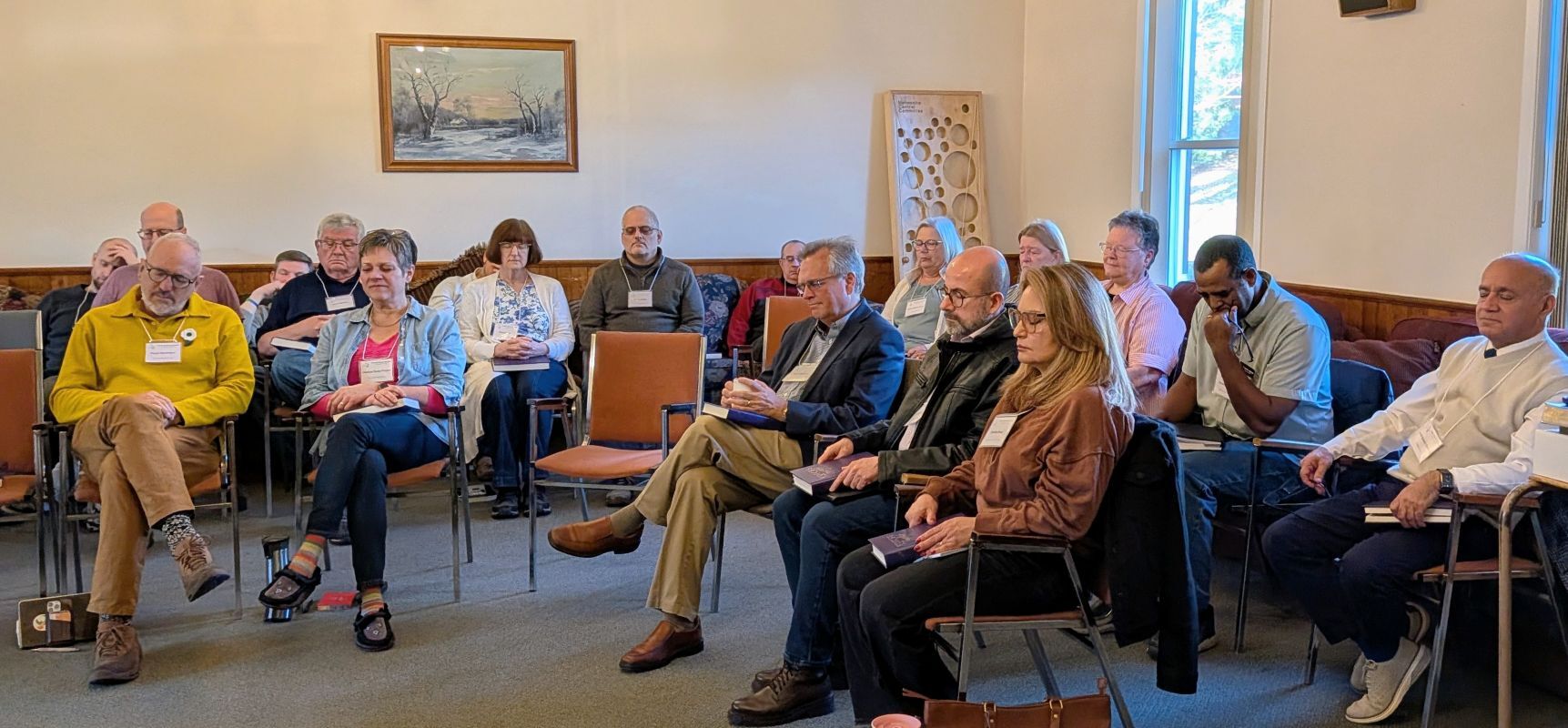
The Fall Pastors Retreat held at Hidden Acres Mennonite Camp and Retreat Centre
 How do we lead with hope and courage in a time of change? How do we encourage congregations to embrace their calling, discover their gifts and participate in God’s reconciling work in the world?
These questions were at the heart of the recent MCEC Pastors’ Retreat, where pastors gathered for a time of learning, conversation, spiritual reflection and renewal.
The retreat connected closely with MCEC’s shared purpose: to energize congregations in worship, discipleship and mission; encourage leaders of hope, vision and transformation; and embody God’s reconciling ministry for all creation. Investing in the spiritual and leadership formation of pastors is one important way MCEC lives out this purpose.
A central theme throughout the retreat was the question, What is the church for? Rather than viewing the church primarily as an institution to maintain or a collection of programs to sustain, participants were invited to consider the church as a community called to embody God’s presence in the world. Drawing on Ephesians 2, the image of the church as a dwelling place for God’s Spirit reminded participants that Jesus is the cornerstone, and that the church is something God continues to build through the gifts and participation of its people.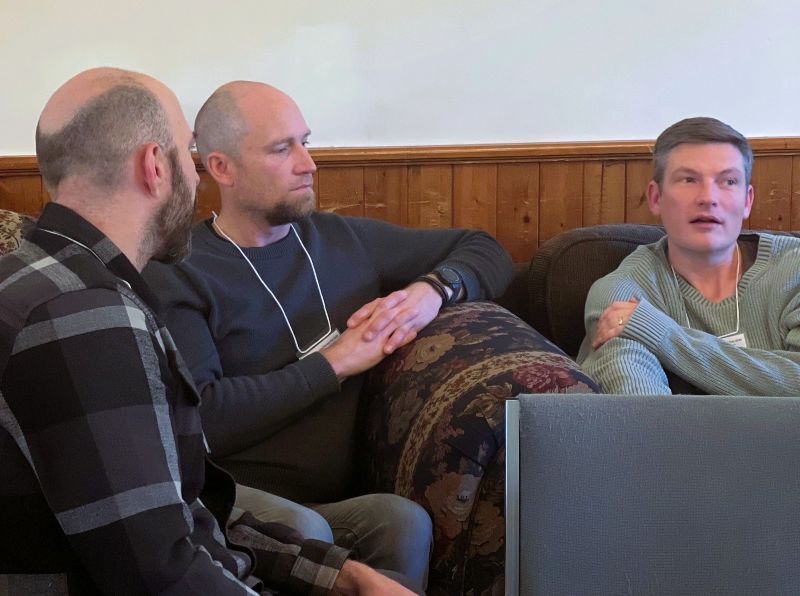
Conversations also explored what distinctly Christian, and particularly Anabaptist, leadership looks like. Leadership is not simply about holding a position, exercising authority or having all the answers. It involves equipping others, recognizing the gifts within the community, cultivating shared discernment and helping people work together toward a common purpose. The priesthood of all believers is not an absence of leadership, but an invitation to leadership that enables the whole congregation to participate meaningfully in ministry.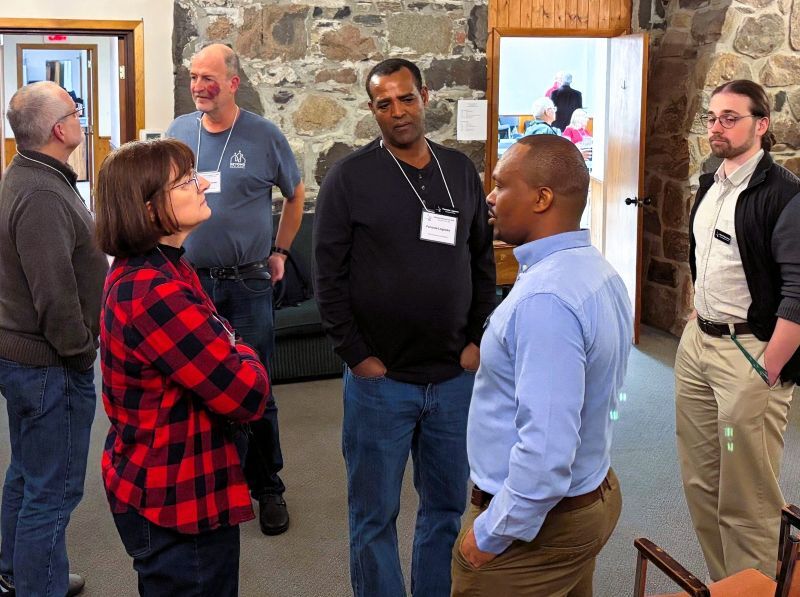
Another important theme was the relationship between faith, motivation and action. Christian engagement with the challenges of the world is rooted in divine love, resurrection hope and the way of Jesus. The means matter as much as the ends. Our work for peace, justice and reconciliation must reflect the very values we hope to see embodied in the world.
The retreat also emphasized the importance of ongoing spiritual formation. One framework explored the relationship between knowing, doing and being. Pastoral leadership requires theological understanding and awareness of our changing contexts, the willingness to put our convictions into practice, and intentional space to reflect on who we are becoming through our work. Pastors were encouraged to develop practices that sustain their calling, nurture their inner lives and help them trust God with outcomes they cannot control.
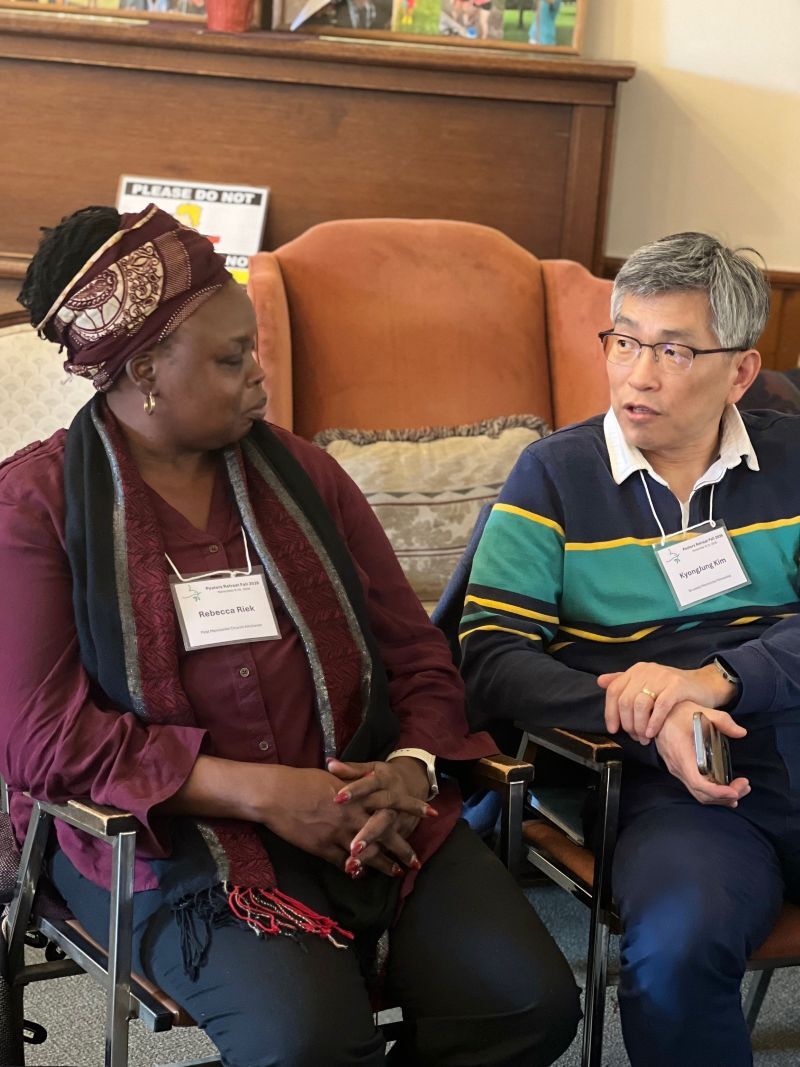 Ultimately, the retreat was an invitation to lead from a deeper place. Pastors were reminded that they do not have to carry the church on their own shoulders. They are called to participate faithfully in what God is doing, grounded in the knowledge that they are loved, gifted and called.
As MCEC seeks to energize congregations, encourage leaders and embody God’s reconciling ministry, gatherings like this provide important opportunities to strengthen relationships, renew vision and deepen our shared commitment to following Jesus. In a season of change and uncertainty, investing in the people who lead and serve our congregations is an investment in the vitality and witness of the whole church.
- Stephen Cox is on the pastoral team at Floradale Mennonite Church
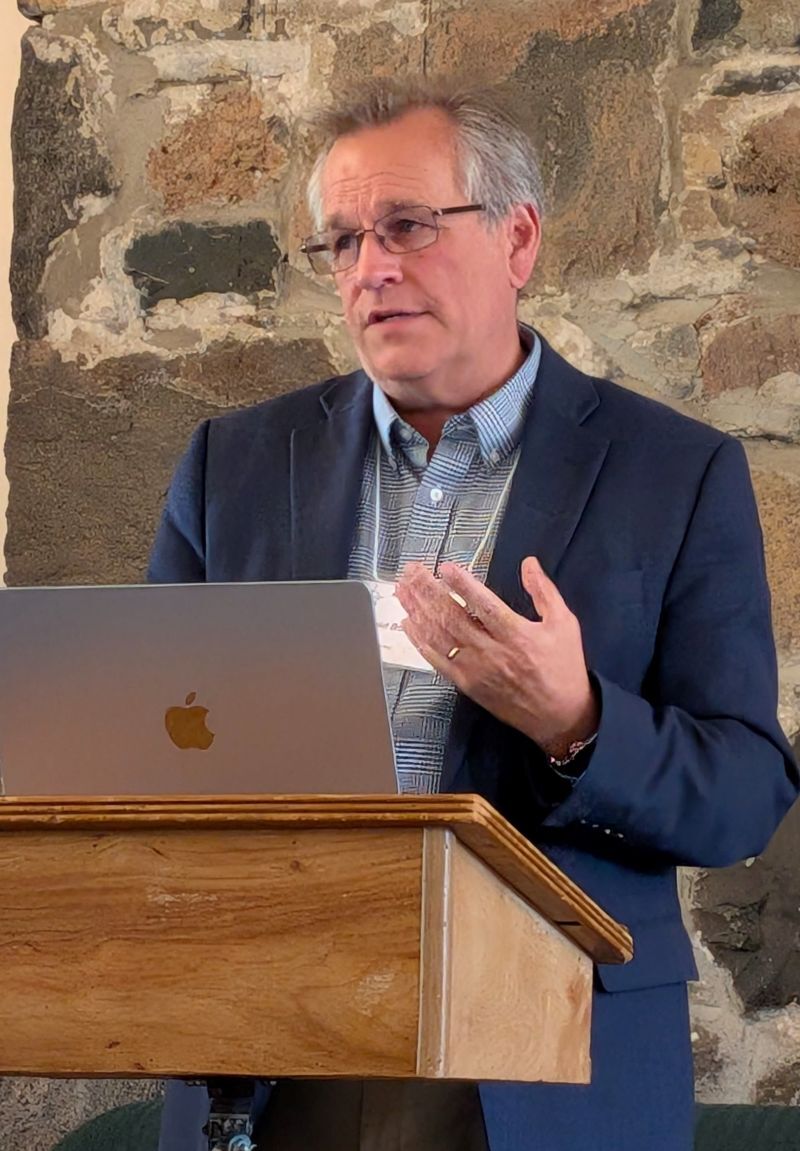
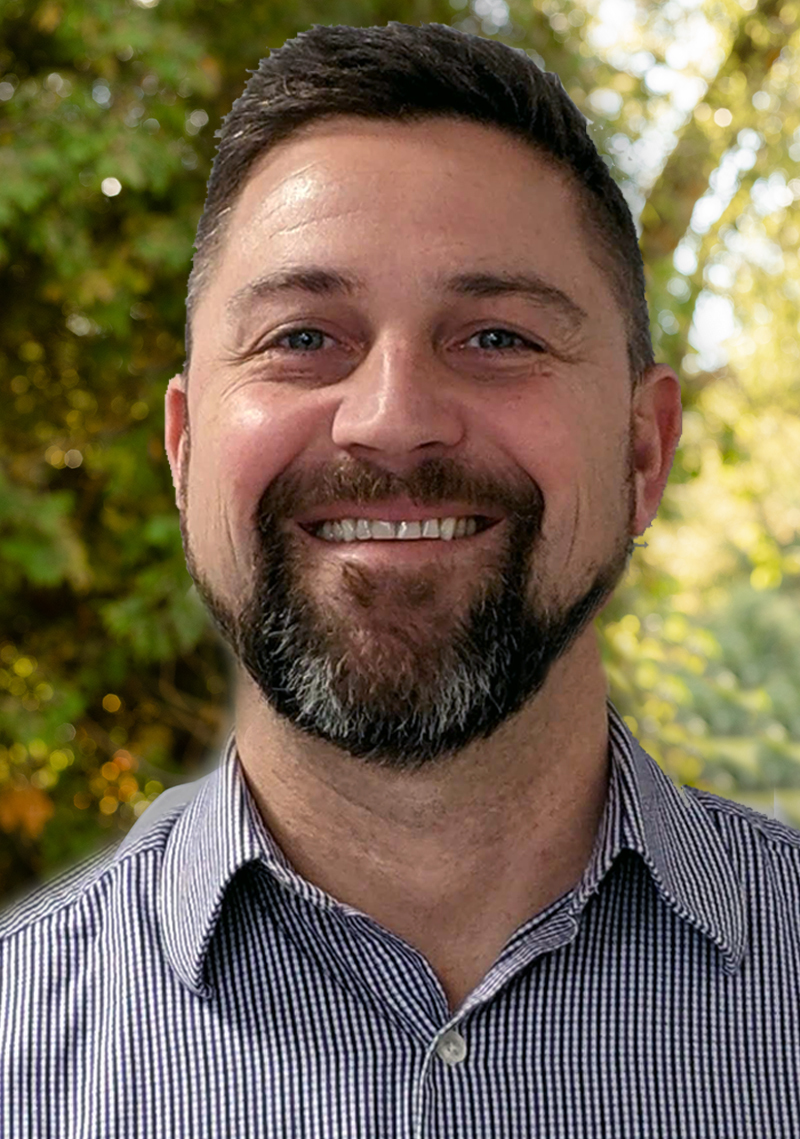
Guest Speaker, David Boshart, President of Anabaptist Mennonite Biblical Seminary
Conversations also explored what distinctly Christian, and particularly Anabaptist, leadership looks like. Leadership is not simply about holding a position, exercising authority or having all the answers. It involves equipping others, recognizing the gifts within the community, cultivating shared discernment and helping people work together toward a common purpose.